With the recent announcements of Apple Arcade and Google Stadia, this post asks a few questions concerning the viability of a gaming subscription service.

Research on mobile games and monetization
With the recent announcements of Apple Arcade and Google Stadia, this post asks a few questions concerning the viability of a gaming subscription service.
Flaregames released more polished, higher production value, deeper meta version of hole.io. But that’s probably trying to make 2 antithetical things coexist.

The way you understand monetization and the impact of monetization efforts has a direct impact on the way you go about optimizing your game. You don’t make players spend. You capitalize on an existing level of enthusiasm and engagement that exists among your players. That in turn means that when you are trying to improve your monetization, your main task should be to identify and recreate the situations that are the most conducive to spending.

This post provides a breakdown of Fortnite and the way it monetizes. Fortnite’s Battle Pass and season model is a great way to monetize exclusivity via engagement. And in the case of Fortnite, what makes the Battle Pass especially appealing is not the fact that it rewards players with cosmetic items. It’s that the Battle Pass provides challenges throughout the season – and that provides users with longer-term goals that go beyond the match being played.

It’s very likely you are looking at the daily active users in your game. But are you also looking at your daily active customers? This post discusses why looking at customers is important to get a good reading on your game, and appropriately define who you are developing features for.
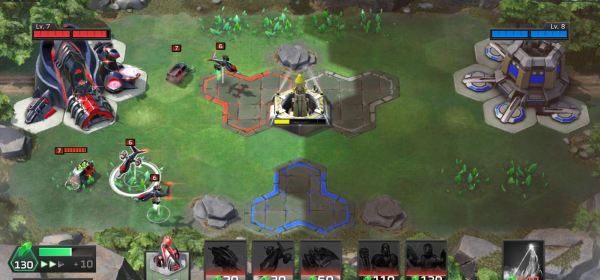
This post considers the differences between playing a game and watching a game. And suggests ways to leverage some insights to design features compelling to watch.
 Alexandre Macmillan