Disney Solitaire has succeeded by innovatively managing in-game failures. Instead of automatically ending games, it presents players with options to continue or quit, placing the onus of failure on them. This approach, combined with strategic pricing of in-game purchases, encourages spending and alters player psychology around defeat, enhancing overall engagement.
Category: Game KPIs and performance
In this section I discuss some behavior patterns common to most mobiles, and elaborate on some KPIs I’ve found useful to observe and analyze game performance. All graphs and numbers displayed here are for illustration purposes only, and are not actual numbers of any specific title.
The Two Models of Monetization in Mobile Games — the AI version
Here’s a full evaluation of your blog post, including clarity feedback, structural recommendations, and proofreading with an edited version at the end. ✳️ Overall Evaluation

The Two Models of Monetization in Mobile Games — and What That Means
No conversation about performance in mobile games can avoid the question of monetization. And in conjunction with that, few conversations about monetization avoid the (direct)
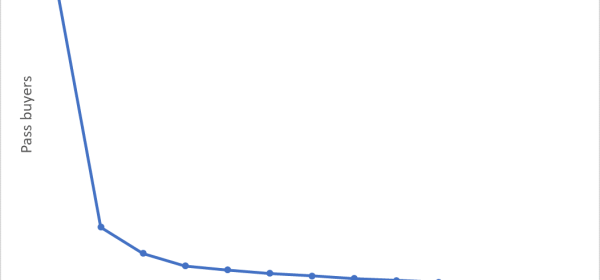
3 questions to ask about your Battle Pass
When comes the time to balance your Battle Pass, these 3 questions can help you make the right choices

Redeposit behavior: redeposit funnel and transactions
This post elaborates on why suggests why you should focus on redeposits, and ways to visualize redeposit patterns and set yourself actionnable goals.
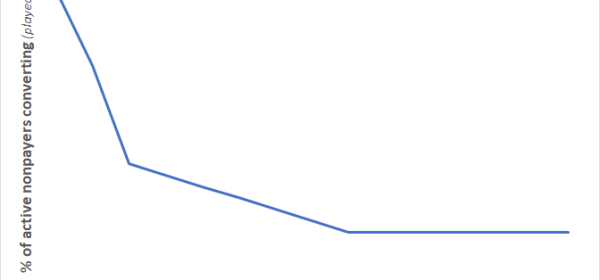
What to do with the old non-payers in your game
The longer your game has been in the app store, the older your user base. And that also means you probably have a large segment of active users who are nonpayers and have a very high tenure. This post suggests way to go about converting that group of users.
 Alexandre Macmillan