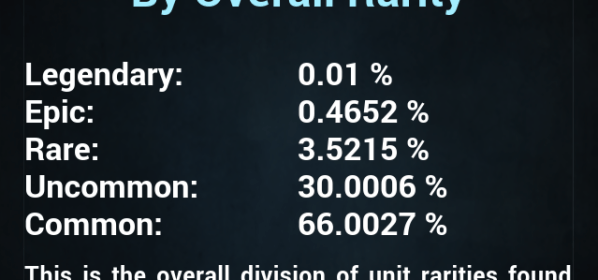
Designing gacha and setting up the probabilities is a much a matter of game economy as it is a matter of perspective. This point provides pointers to approach gacha design and suggests ways to improve the monetization of your gacha.
Research on mobile games and monetization
Thoughts on how to leverage data to determine your title’s strategy and individual features.
Designing gacha and setting up the probabilities is a much a matter of game economy as it is a matter of perspective. This point provides pointers to approach gacha design and suggests ways to improve the monetization of your gacha.

This post discusses how to approach the tuning of your progression and balancing of your gameplay. Gameplay balancing is not an abstract process of number tweaking. To be effective gameplay and progression tuning need to be driven by qualitative considerations and a strategic understanding of user experience.
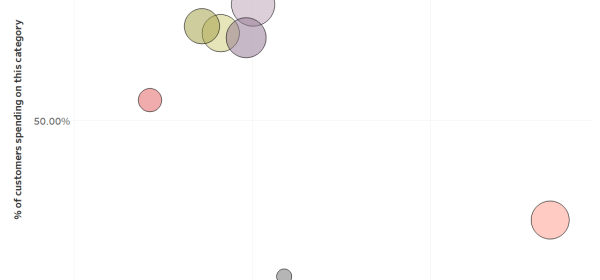
This post suggests way to approach your in-game economy, and the guiding principles that can help you optimize your in-game prices without going through an AB test.
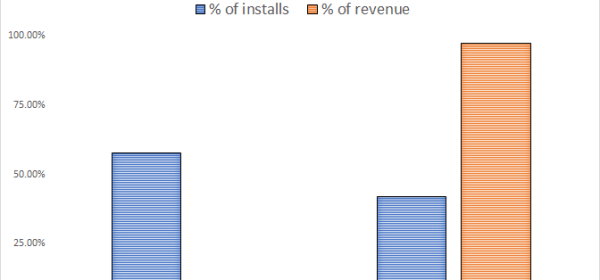
Colopl reports an interesting metric: ARPQU. In doing so, they focus only on the metrics of users who launched the app at least once after 7 days of its download date. In this post I reflect on what this might mean, and how you can use this as part of your OKR process.
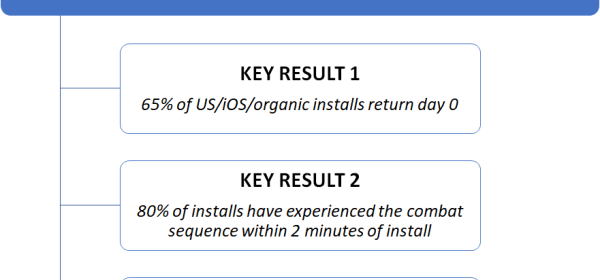
John Doerr’s book on Objectives and Key Results provides a great framework to consider product development in general, and game development in particular. This post goes into some insights that can be derived from that framework for mobile games.

This post examines when users are most likely to convert on install day, and what their main motivations to convert are. Treating your game as if it were an IP means identifying what its defining traits are, and what is most likely to appeal to your users. This exercise can in turn help you design starter packs that align with your users expectations and help you get your conversion numbers up.
 Alexandre Macmillan